The History and Evolution of Cream Soda
Cream soda has been a beloved soft drink for generations, embodying a nostalgic sweetness that evokes cherished memories of simpler times. Dating back to the 19th century, this carbonated beverage has fascinated taste buds with its rich vanilla flavors and creamy texture. Today, it stands as a testament to the evolution of soft drinks, blending traditional recipes with modern twists. One of the leading brands in this category, Cream soda continues to delight consumers with its innovative flavors and commitment to quality.
Origin Stories of Cream Soda
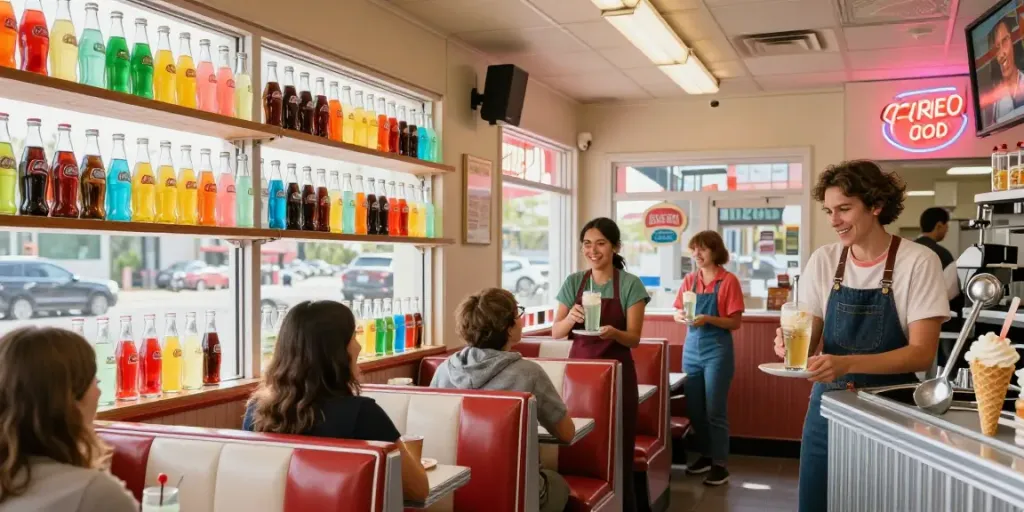
The origins of cream soda can be traced back to the 1850s, with a recipe published by E.M. Sheldon in Michigan. This early version combined carbonated water with various ingredients, including sugar, egg whites, and vanilla. Initially, cream soda was a luxury drink, often served in soda fountains located in pharmacies. The unique blend of flavors created a refreshing contrast to the more traditional beverages of the time, laying the groundwork for its eventual rise in popularity.
How Cream Soda Recipes Have Changed Over Time
As America became more industrialized in the late 19th and early 20th centuries, mass production processes transformed how cream soda was made. The introduction of artificial sweeteners and flavoring agents made the drink more accessible to the general public, while still maintaining its signature creamy taste. Today, variations of cream soda exist worldwide, reflecting local tastes and preferences. From homemade recipes that feature natural ingredients to mass-produced brands that utilize high-fructose corn syrup, cream soda recipes continue to evolve.
The Rise of Craft Cream Sodas
In recent years, the craft beverage movement has sparked a renaissance in the cream soda market. Independent soda makers are creating unique flavors and experimenting with high-quality, natural ingredients, often appealing to health-conscious consumers. These craft sodas prioritize flavor authenticity and often boast local sourcing, much to the delight of consumers looking for artisanal options. The rise of these beverages has not only diversified the market but also reinvigorated interest in cream soda as a drink of choice.
Ingredients That Make Cream Soda Unique
At its core, cream soda is characterized by its smooth and sweet profile, which is achieved through a carefully balanced mix of ingredients. Understanding these components is crucial for anyone looking to appreciate or replicate this iconic soft drink.
Key Flavor Profiles in Modern Cream Sodas
Modern cream sodas draw on a few key flavor profiles that distinguish them from other soft drinks. The primary flavoring agents include:
- Vanilla: This is the most common flavoring, providing a creamy and sweet base.
- Caramel: Many modern recipes include caramel coloring, which not only enhances the visual appeal but adds depth to the flavor.
- Natural Extracts: Some craft brands incorporate other flavor extracts, such as honey, spices, or fruit, to create unique variations.
Natural vs. Artificial Ingredients
The debate between natural and artificial ingredients is particularly relevant in the world of cream sodas. While traditional recipes often relied on real cream or dairy products, most commercial varieties today omit these for cost-effectiveness and to cater to lactose-intolerant consumers. As a result, many cream sodas utilize artificial flavorings and sweeteners. However, a growing number of consumers are seeking out brands that prioritize natural ingredients, driving the trend toward organic and minimally processed options.
Creating Your Own Cream Soda at Home
Crafting your own cream soda at home can be a fun and rewarding experience. Here’s a simple recipe to try:
- Start with carbonated water or club soda as your base.
- Add vanilla extract or homemade vanilla syrup for sweetness.
- For a unique touch, consider adding a splash of cream or coconut milk.
- Mix thoroughly and serve over ice with a fresh twist of lemon or a sprig of mint for garnish.
The Popularity of Cream Soda in 2026
The landscape of soft drinks continues to evolve, and cream soda is no exception. As we look into 2026, market trends indicate a refreshing resurgence of this classic beverage, driven by various consumer preferences.
Current Market Trends for Cream Soda
The cream soda market is experiencing a renaissance, with increased interest stemming from both nostalgia and a growing appreciation for unique flavors. Consumers are gravitating towards options that offer artisanal quality, and brands that can effectively combine tradition with innovation are thriving.
Consumer Preferences and Taste Profiles
As consumers become more health-conscious, the demand for lower-sugar and natural ingredient options is on the rise. Many brands are responding by reformulating their products to appeal to this demographic, while also focusing on taste consistency and quality. This shift in consumer preference is shaping the future of cream soda, driving brands to explore new and exciting flavor combinations.
New Brands Making Waves in the Cream Soda Market
From local craft producers to established brands, several new players are shaking up the cream soda market. These companies often embrace unique flavor combinations or regional sourcing, capturing the attention of adventurous consumers. Some examples include artisanal brands that offer limited-edition flavors inspired by seasonal ingredients or collaborative efforts between local businesses.
Creative Uses for Cream Soda
Cream soda is not just a refreshing drink; it also lends itself to various culinary uses. Here are a few creative ways to incorporate cream soda into your recipes.
Cocktails and Mixology with Cream Soda
The versatility of cream soda makes it an excellent ingredient for cocktails. Here are a few ideas:
- Cream Soda Float: A delightful combination of cream soda and a scoop of vanilla ice cream, perfect for summer days.
- Creamy Cocktail: Mix cream soda with vodka and a splash of fruit juice for a refreshing twist.
- Fizzing Sangria: Use cream soda in place of soda water in traditional sangria recipes to add a touch of sweetness.
Baking and Desserts Featuring Cream Soda
In baking, cream soda can add a unique flavor and texture to various desserts. Consider incorporating cream soda into:
- Cakes: Use it as a liquid base in cake batters for added sweetness and moisture.
- Pancakes: Replace some of the milk with cream soda for fluffy, flavorful pancakes.
- Frostings: Whip up creamy frostings using reduced cream soda for a sweet and tangy twist.
Innovative Pairings for Food and Cream Soda
Cream soda pairs surprisingly well with a variety of foods. Here are a few suggestions:
- Spicy Dishes: The sweetness of cream soda can balance out the heat in spicy foods like barbecue or spicy tacos.
- Salty Snacks: Enjoy cream soda with salty popcorn or pretzels for a sweet and savory experience.
- Dessert Combinations: Pair cream soda with chocolate desserts or fruity pastries to enhance the overall taste.
Healthier Alternatives and Innovations
The soft drink industry is increasingly influenced by health trends and consumer preferences toward better-for-you options. This shift has prompted the development of healthier alternatives within the cream soda category.
Low-Sugar and Organic Cream Soda Options
With rising concerns around sugar consumption, many brands are now offering low-sugar or zero-calorie cream soda options. These alternatives typically utilize natural sweeteners like stevia or monk fruit, aiming to preserve the iconic flavor while reducing calorie counts. Organic cream sodas are also emerging, appealing to consumers looking for cleaner, more natural products.
The Role of Cream Soda in the Health Beverage Market
As part of a larger trend toward health-conscious products, cream soda is carving its niche in the beverage market. Brands that leverage quality ingredients and promote transparency in sourcing are finding success among health-oriented consumers. By aligning with these trends, cream soda is evolving beyond its sugary beverage image.
Future Trends in Cream Soda Ingredients and Production
Looking ahead, the future of cream soda may see further innovations in flavor profiles, ingredient sourcing, and packaging. Sustainable practices, such as eco-friendly packaging and locally sourced ingredients, are becoming increasingly important to consumers. Additionally, the integration of functional ingredients like probiotics or vitamins may drive the next wave of innovation in the cream soda market.
What are the origins of cream soda?
The origins of cream soda date back to the mid-1800s, when various recipes began popping up in the United States, often crafted at soda fountains. Early formulations included a combination of carbonated water, cream of tartar, and sweeteners, evolving over time into the sweeter, more commercialized versions we know today.
How is cream soda different from root beer?
Although both cream soda and root beer are carbonated beverages, they differ primarily in their flavor profiles. Cream soda is characterized by a sweet vanilla flavor, while root beer is flavored with roots, herbs, and spices like sassafras. The resulting taste profiles cater to different preferences.
Is cream soda made with real cream?
Modern cream soda typically does not contain real cream or dairy; instead, it relies on artificial flavorings and sweeteners to achieve its creamy taste. However, some craft brands are exploring recipes that incorporate real cream, catering to niche markets.
What are popular brands of cream soda?
Several brands have gained popularity in the cream soda market, including classic names like A&W, Sprecher, and Boylan’s. Additionally, a number of craft soda brands are emerging, offering innovative flavors and organic options to cater to modern consumer preferences.
Can you make a non-carbonated version of cream soda?
Yes, a non-carbonated version of cream soda can be made using vanilla syrup combined with water or milk. This version maintains the characteristic flavor profile while catering to those who prefer non-carbonated beverages.