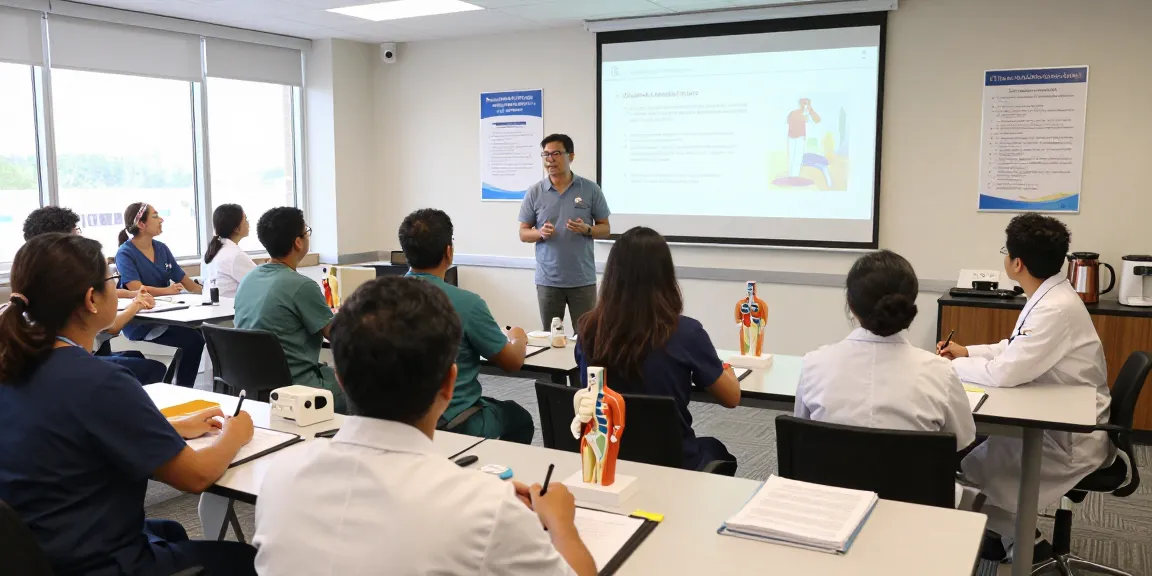
Understanding the Importance of Medical Training
In today’s rapidly evolving healthcare environment, the significance of medical training cannot be overstated. As technology advances and patient care requirements grow more complex, healthcare professionals must continually update their skills and knowledge. This necessity is underscored by the increasing demands of patient expectations and the need for personalized care. Enhanced medical training ensures that healthcare providers are well-equipped to deliver high-quality care, respond to emergencies, and adopt new technologies efficiently.
Why Medical Training is Essential for Healthcare Professionals?
Medical training is a critical component of healthcare that directly impacts patient outcomes. Without proper training, healthcare professionals may not be prepared to handle the intricacies of modern medical practices. Here are several reasons why it is essential:
- Patient Safety: Adequate training reduces medical errors, thereby enhancing patient safety and trust.
- Compliance with Standards: Ongoing education helps professionals stay compliant with national and international healthcare standards.
- Skill Enhancement: Regular training enables health workers to refine their skills, learn about new procedures, and become proficient in the latest technologies.
- Improved Collaboration: Training fosters teamwork and communication skills, essential for multidisciplinary care.
Current Trends in Medical Training: What to Expect in 2026
The landscape of medical training is changing rapidly, driven by technological innovations and the need for more flexible learning environments. As we approach 2026, some of the key trends include:
- Virtual Reality (VR) Simulations: VR is set to revolutionize hands-on training, providing safe environments for practicing complex procedures.
- Personalized Learning Paths: Tailoring education to the individual’s learning style will enhance engagement and retention.
- Interprofessional Education: Collaborative training across different healthcare professions will become more emphasized to improve teamwork in clinical settings.
- Integration of Artificial Intelligence: AI will play a significant role in training, aiding in assessments and providing real-time feedback.
Common Challenges Faced in Medical Training Programs
While the importance of medical training is clear, numerous challenges persist that can hinder the effectiveness of these programs:
- Resource Limitations: Many institutions struggle with funding for comprehensive training initiatives.
- Time Constraints: Busy schedules make it difficult for healthcare professionals to dedicate time to ongoing education.
- Resistance to Change: Some practitioners may be hesitant to adopt new training methods or technologies.
- Assessment Difficulties: Measuring the effectiveness of training programs can be complex and subjective.
Key Metrics for Measuring Medical Training Effectiveness
Determining the effectiveness of medical training requires a careful evaluation of several key metrics. These metrics serve as benchmarks to ensure that training programs meet their intended outcomes.
Defining Success: What Do Effective Medical Training Outcomes Look Like?
Success in medical training can be measured through specific outcomes, including:
- Improved Patient Outcomes: Enhanced training should correlate with better patient health and satisfaction levels.
- Increased Skills Proficiency: Participants should demonstrate measurable improvements in their clinical skills.
- Higher Retention Rates: Effective programs should see lower turnover rates among trained staff.
- Positive Feedback from Participants: Evaluations should reflect participant satisfaction and perceived value of the training received.
Utilizing Feedback and Evaluations to Assess Training Impact
Continuous feedback and structured evaluations are fundamental in assessing training impact. Institutions can utilize:
- Post-training Surveys: Collecting participant insights immediately after training sessions helps gauge relevance and effectiveness.
- Performance Metrics: Monitoring key performance indicators over time can indicate training effectiveness.
- Patient Health Metrics: Analyzing changes in patient outcomes can help correlate training effectiveness with quality of care.
Technology’s Role in Tracking Medical Training Metrics
Technology plays an increasingly vital role in measuring the effectiveness of medical training. Organizations can leverage:
- Learning Management Systems (LMS): LMS platforms facilitate tracking progress and performance metrics.
- Data Analytics: Analyzing training data can uncover trends and areas for improvement.
- Mobile Applications: Apps can aid in continuous learning and allow trainers to assess knowledge retention over time.
Best Practices for Implementing Medical Training Programs
Implementing effective medical training requires a strategic approach that considers the unique needs of healthcare professionals. Here are some best practices:
Creating Comprehensive Training Frameworks for Various Specializations
It’s crucial to develop tailored training frameworks that cater to the specific needs of different specialties:
- Needs Assessment: Conduct thorough assessments to identify the specific training needs of each specialty.
- Curriculum Development: Design curricula that align with recognized competencies in each field.
- Resource Allocation: Ensure adequate resources are available to support the training of specialized skills.
Incorporating Simulation and Hands-On Experience in Training
Effective medical training involves practical experience through simulations and hands-on opportunities:
- Realistic Simulations: Incorporate high-fidelity simulations that mimic real-life scenarios to enhance learning.
- Clinical Rotations: Provide opportunities for trainees to experience real clinical environments.
- Peer-to-Peer Learning: Encourage collaboration among trainees to share insights and learn from each other.
Engaging Learners: Interactive Techniques and Tools
Engaging healthcare professionals through interactive techniques is vital for effective training:
- Gamification: Incorporate game-based elements to make learning more enjoyable and competitive.
- Discussion Forums: Foster discussions to enhance understanding and encourage diverse perspectives.
- Microlearning: Deliver content in small, digestible segments to improve retention and engagement.
Real-World Applications of Medical Training in Healthcare Settings
Understanding the practical applications of medical training can further showcase its importance. Here are some real-world applications:
Case Studies: Successful Medical Training Implementations
Numerous healthcare institutions have successfully implemented training programs that yielded remarkable results:
- Case Study 1: A large hospital utilized VR training to enhance surgical skills, resulting in a 30% decrease in operative time.
- Case Study 2: A nursing home adopted a continuous medical education program, leading to improved patient satisfaction scores by 40%.
Adapting Training for Diverse Patient Needs and Populations
Medical training must account for the diverse patient populations healthcare providers serve. Employing cultural competency in training ensures that:
- Personalized Care: Training programs teach providers how to provide care tailored to individual patient needs.
- Inclusivity: Diverse training materials promote inclusivity and address the unique challenges faced by various populations.
Long-Term Benefits of Effective Medical Training for Patient Care
The long-term benefits of effective medical training are significant:
- Enhanced Quality of Care: Improved skills and knowledge directly contribute to better patient outcomes.
- Increased Staff Satisfaction: Ongoing training leads to more engaged and satisfied healthcare professionals.
- Reduced Costs: Properly trained staff can minimize costly errors and improve operational efficiency.
The Future of Medical Training: Innovations and Predictions for 2026
As we look towards the future, certain innovations are set to reshape medical training dramatically by 2026:
Emerging Technologies Transforming Medical Training Approaches
New technologies will continue to transform the landscape of medical training:
- Artificial Intelligence: AI algorithms will help customize training programs based on individual learning patterns.
- Telemedicine Training: Remote training solutions will become mainstream, improving accessibility for healthcare professionals.
- Wearable Technology: Wearables will offer real-time feedback on clinical skills during training.
Future Competencies for Healthcare Providers: What Skills Will Matter?
The competencies required for healthcare providers will evolve, focusing on:
- Digital Literacy: Proficiency in health informatics and digital tools will become essential.
- Emotional Intelligence: Skills in empathy and communication will be paramount in patient interactions.
- Resilience and Adaptability: Providers will need to navigate challenges in an ever-changing healthcare landscape.
Preparing for the Changes: How Institutions Can Adapt
Healthcare institutions must adapt to these changes through proactive strategies:
- Invest in Technology: Allocate resources towards innovative training technologies and tools.
- Flexible Learning Opportunities: Provide various formats for training, including online and blended learning options.
- Continuous Feedback Mechanisms: Implement regular feedback loops to refine training programs.
What is the Role of Continuous Medical Education?
Continuous Medical Education (CME) is crucial for healthcare professionals looking to stay informed about the latest advancements in their field. CME ensures:
- Up-to-date Knowledge: Professionals keep abreast of emerging treatments and technologies.
- Licensure Requirements: Many healthcare professionals are required to complete CME to maintain their licenses.
How can Technology Aid in Medical Training?
Technology serves as an invaluable ally in medical training through various means:
- Online Resources: E-learning platforms provide access to vast repositories of knowledge and training materials.
- Teleconferencing: Remote sessions allow experts to share knowledge with trainees in real-time, regardless of location.
What New Skills Should Medical Training Focus On in 2026?
As healthcare continues to evolve, training programs must prepare providers for future demands, focusing on:
- Data Interpretation: Skills in analyzing and interpreting clinical data will be increasingly important.
- Interdisciplinary Collaboration: Training should emphasize teamwork across different healthcare disciplines.
How to Make Medical Training More Accessible?
Accessibility is vital for effective medical training. Strategies include:
- Online Learning Platforms: Creating flexible, on-demand training that professionals can access anytime, anywhere.
- Scholarships and Grants: Offering financial support for underrepresented groups to pursue medical education.
How Can Feedback Improve Medical Training Programs?
Incorporating feedback into training programs enables continuous improvement through:
- Iterative Curriculum Development: Using participant feedback to refine and enhance curriculum content.
- Adaptive Learning Strategies: Adjusting training methods based on learner performance and feedback.